What Are Cognitive Disorders?
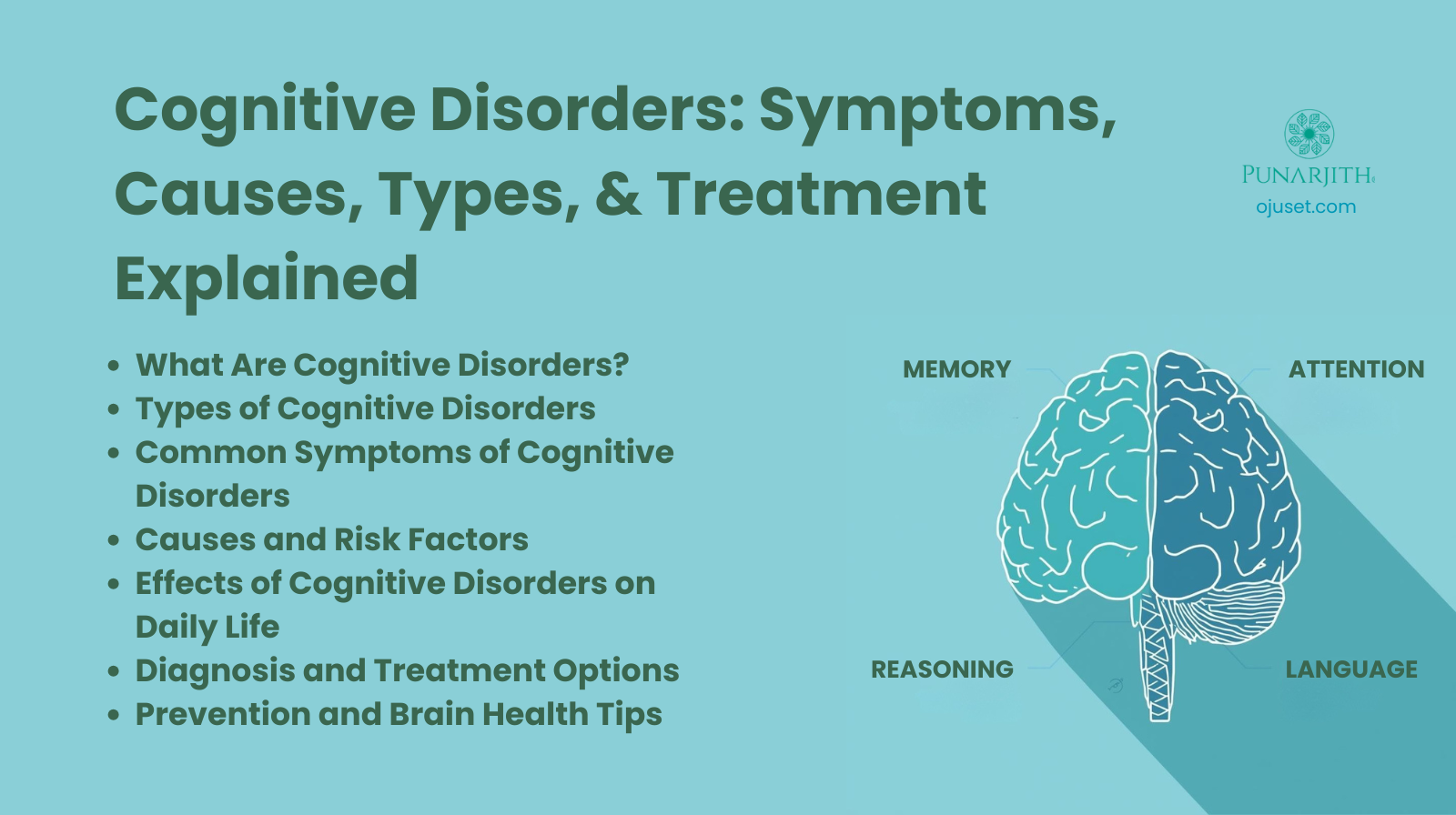
Cognitive disorders are medical conditions that affect mental functions such as memory, thinking, reasoning, attention, and decision-making. These disorders interfere with a person’s ability to process information and perform everyday activities effectively.
Cognitive decline is not always a normal part of aging. When memory loss or thinking problems begin to disrupt daily life, it may indicate an underlying cognitive disorder that requires medical attention.
Types of Cognitive Disorders
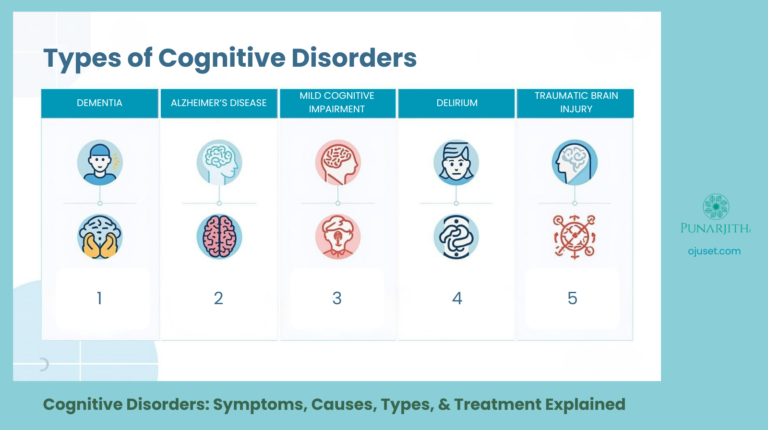
Cognitive disorders can be categorized into several major types:
Dementia – Progressive decline in memory and thinking abilities
Alzheimer’s Disease – The most common cause of dementia
Delirium – Sudden confusion caused by illness or medication
Mild Cognitive Impairment (MCI) – Early stage memory and thinking problems
Traumatic Brain Injury (TBI)-related cognitive disorder
Substance-induced cognitive disorder
Each type varies in severity, progression, and treatment approach.
Common Symptoms of Cognitive Disorders
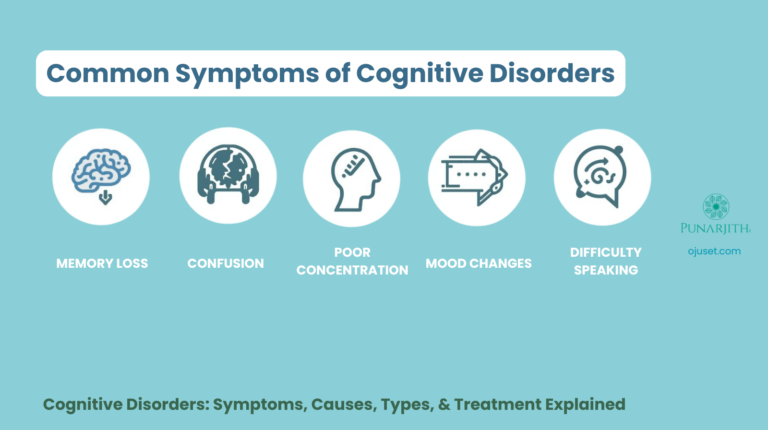
Symptoms may develop gradually or suddenly, depending on the cause. Common cognitive disorder symptoms include:
Memory loss
Difficulty concentrating
Poor judgment and decision-making
Confusion or disorientation
Trouble understanding language
Mood changes and irritability
Reduced problem-solving ability
Early identification improves treatment outcomes and quality of life.
Causes and Risk Factors
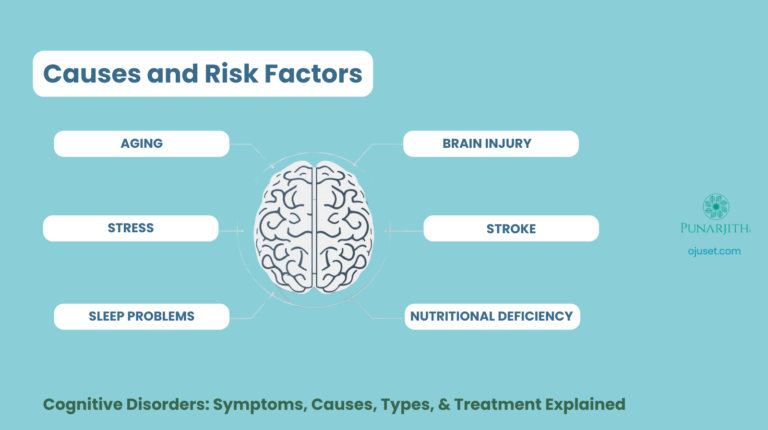
Cognitive disorders may develop due to various physical and psychological factors, including:
Aging
Chronic stress
Hormonal imbalance
Brain injury
Stroke
Infections affecting the brain
Substance abuse
Sleep disorders
Nutritional deficiencies
Understanding the root cause is essential for effective management.
Effects of Cognitive Disorders on Daily Life
Cognitive disorders can significantly impact:
Work performance
Social relationships
Emotional stability
Physical energy levels
Independence in daily tasks
Over time, untreated cognitive disorders may contribute to fatigue, stress, hormonal imbalance, and reduced overall vitality.
Diagnosis and Treatment Options
Early diagnosis involves:
Medical evaluation
Cognitive assessment tests
Brain imaging (if required)
Blood tests for hormonal or nutritional imbalance
Treatment options may include:
Medications (where appropriate)
Cognitive therapy
Stress management
Lifestyle changes
Brain exercises
Nutritional and hormonal support
A comprehensive approach delivers better long-term results.
Prevention and Brain Health Tips
While some cognitive disorders cannot be fully prevented, risk can be reduced through:
Regular physical activity
Balanced diet rich in nutrients
Quality sleep
Stress management techniques
Mental stimulation activities
Avoiding substance abuse
Maintaining brain health is essential for long-term mental clarity and physical well-being.