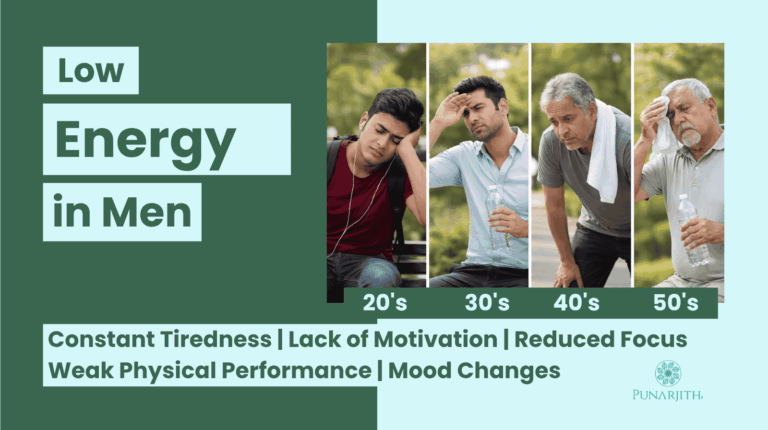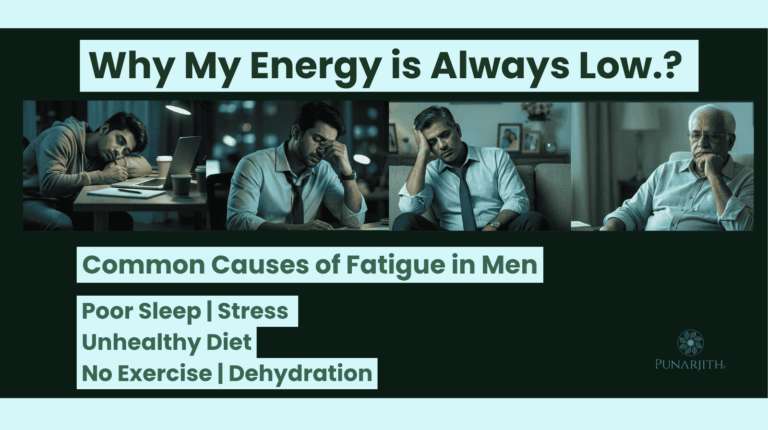

Extreme fatigue in men can result from a combination of physical, mental, and lifestyle factors.
Common causes include poor sleep quality, chronic stress, nutritional deficiencies, lack of physical activity, hormonal imbalances (such as low testosterone), and underlying health conditions. Identifying the root cause is essential to restore energy levels and overall well-being.
1. Hormonal Imbalance: The Low Testosterone (Low T) Factor
Testosterone is the primary fuel for the male body’s energy, muscle mass, and drive. When levels drop below the healthy range, the results are more than just physical.
The Energy Crash: Men with low T often report “crashing” by mid-morning, regardless of how much they slept.
Mental Impact: This imbalance often manifests as a lack of motivation, irritability, and “brain fog,” making even simple tasks feel like a monumental effort.
2. The Physiological Toll of Chronic Stress
While short-term stress is a survival mechanism, chronic stress keeps the body in a permanent state of high alert.
Cortisol Depletion: Constant stress forces the adrenal glands to pump out cortisol. Over time, the system becomes desensitized or exhausted, leading to a state where the body can no longer effectively regulate energy.
The Inflammatory Link: High stress levels increase systemic inflammation, which is a known biological “energy drain.”
3. Beyond “Bad Sleep”: Insomnia and Sleep Disorders
Extreme fatigue is often the result of chronic sleep deprivation or clinical disorders that go undiagnosed for years.
Obstructive Sleep Apnea (OSA): A common but serious condition in men where breathing stops during sleep. This prevents the brain from entering deep, restorative sleep cycles, leaving you exhausted despite “sleeping” for eight hours.
Circadian Rhythm Disruption: Irregular work shifts or excessive blue light exposure can permanently de-sync your internal clock, making it impossible for the body to repair itself at night.
4. Underlying Medical Conditions: Thyroid and Anemia
Sometimes, extreme fatigue is a symptom of a hidden clinical condition that requires medical intervention.
Hypothyroidism: While often associated with women, many men suffer from an underactive thyroid. This slows down the metabolism and causes profound lethargy and weight gain.
Iron-Deficiency Anemia: Though less common in men than women, internal issues or poor diet can lead to low iron. Without enough iron, your blood cannot transport oxygen efficiently to your brain and muscles.
5. The Professional Wall: Burnout
Burnout is more than just being “bored” with a job; it is a clinical state of physical and mental collapse resulting from prolonged lifestyle or work-related pressure.
Emotional Exhaustion: The feeling of being completely “drained” of any empathy or interest in one’s work.
Depersonalization: Men experiencing burnout often feel “detached” from their lives, which manifests physically as a heavy, unshakeable fatigue.
Causes of Male Fatigue
1. The Sedentary Trap & Lack of Exercise
It seems logical that resting more would result in more energy, but the human body operates on a “use it or lose it” principle regarding vitality.
Metabolic Slowdown: Without regular movement, your mitochondria (the power plants of your cells) become less efficient at converting nutrients into energy.
Circulatory Stagnation: Exercise stays at the heart of healthy circulation. A sedentary lifestyle leads to poorer oxygen delivery to the brain and muscles, making you feel “heavy” and unmotivated.
2. Alcohol and Smoking
While often used to “unwind,” alcohol and nicotine act as significant metabolic drains over time.
The Alcohol Paradox: While alcohol may help you fall asleep faster, it destroys REM (Rapid Eye Movement) sleep. You wake up physically present but mentally unrecovered.
Oxygen Deprivation: Smoking introduces carbon monoxide into the bloodstream, which binds to hemoglobin more effectively than oxygen. Essentially, smoking forces your heart and lungs to work double-time just to maintain baseline oxygen levels.
3. Low Nutritional
If the body is a high-performance machine, processed foods and high-sugar diets are the equivalent of putting contaminated fuel in the tank.
The Insulin Rollercoaster: Diets high in refined carbs cause frequent blood sugar crashes. These “dips” are experienced as sudden bouts of lethargy and irritability.
Micronutrient Void: Many men consume enough calories but are “malnourished” in terms of magnesium, zinc, and B vitamins—all of which are critical for ATP (energy) production.
4. Emotional Stress
Men often internalize stress, which creates a constant “background hum” of cortisol in the system.
The Cognitive Drain: Emotional labor—whether from family responsibilities or interpersonal conflict—uses the same glucose reserves as physical labor.
Tension Fatigue: Holding stress in the body (clenched jaws, tight shoulders) leads to physical muscle fatigue by the end of the day, even if you haven’t lifted a single weight.
5. The Power of Small Habits
Energy levels are often dictated by the “boring” basics that are easily overlooked in a busy schedule.
Erratic Rhythms: Eating and sleeping at completely different times every day prevents the body from entering a predictable state of repair.
Hydration Neglect: Even 1–2% dehydration significantly impairs cognitive function and physical stamina. If you feel tired, you are likely already dehydrated.